
DR ARUN YOGIRAJ
Rooted in tradition, elevated by passion, and meant to inspire

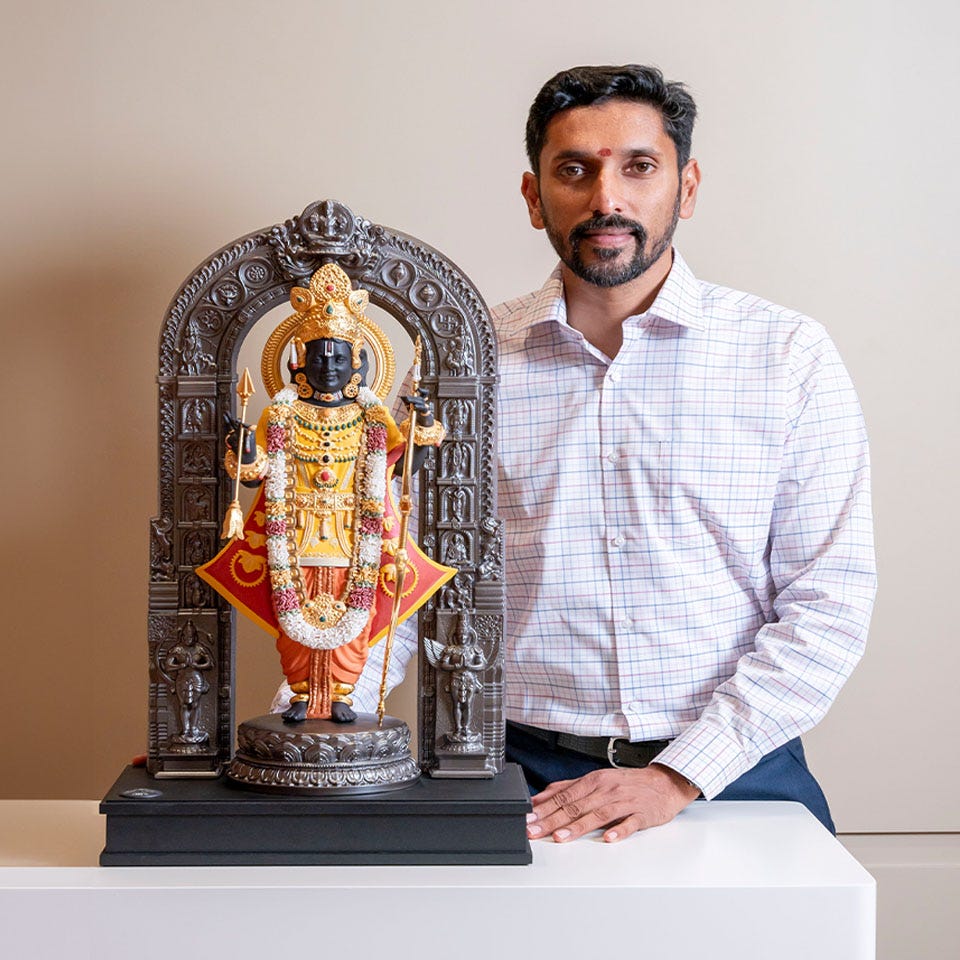
Dr. Arun Yogiraj is a fifth-generation sculptor from Mysore, India, whose work is rooted in centuries of traditional craftsmanship and spiritual devotion. Trained in both classical techniques and modern aesthetics, he holds a doctorate in sculpture and has created several monumental public artworks across India. His most renowned creation is the stone murti of Shri Ram Lalla for the Ayodhya temple, a project of profound national and religious significance.
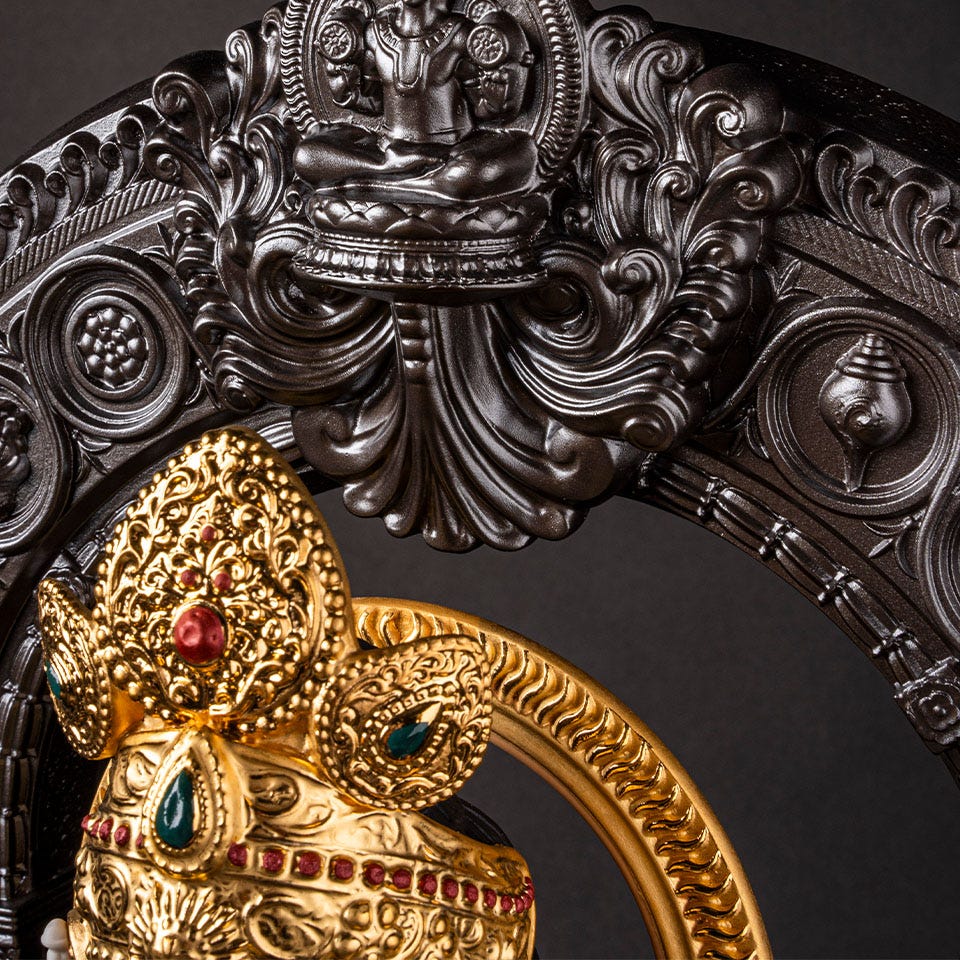
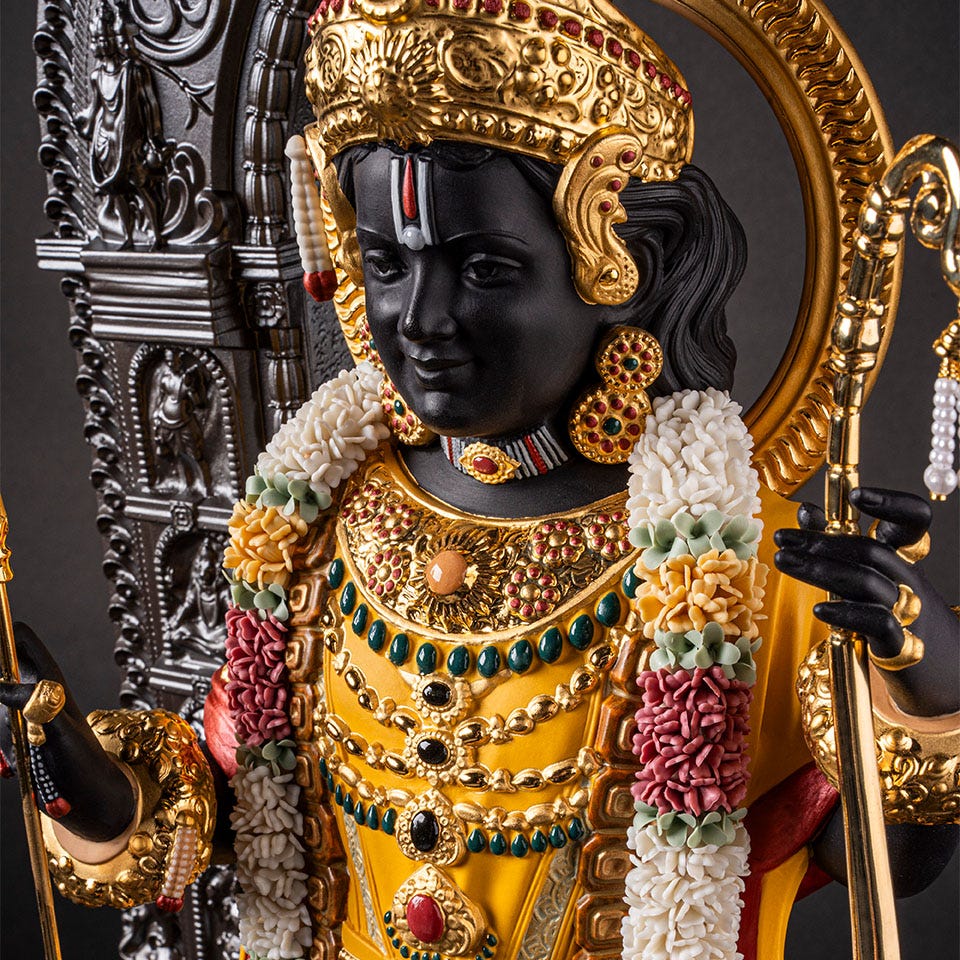
For Lladró, he brings this sacred image into porcelain for the first time, in a collaboration that merges Indian iconography with Spanish artistry.


As the first Indian sculptor to collaborate with Lladró, how did you approach translating your work into an entirely new material and cultural context?
Collaborating with Lladró has been a deeply meaningful and humbling experience. This is the first time they have partnered with an Indian sculptor, and to be that person is both an honor and a responsibility. I come from a lineage of traditional Indian sculptors, rooted in stone, in its permanence, depth, and spiritual energy. Seeing my work translated into porcelain, a medium so delicate and refined, was a unique journey.
Working with Lladró was not only about creating something tangible. It was about building a cultural bridge between India’s sculptural tradition and Spain’s porcelain artistry. It reminded me that art knows no borders. At every stage of the collaboration, I felt a shared passion for detail, emotion, and storytelling. For me, this partnership was personal. It opened a new chapter where Indian forms and spiritual icons find new voices in global art spaces. It reaffirmed my belief that while our hands may work with different materials, our hearts speak the same artistic language.
The image of Ram Lalla holds deep spiritual meaning for millions. What was your personal approach when sculpting this deity? How do you balance devotion with artistic expression?
Sculpting the image of Ram Lalla was never just an assignment. It felt like a divine calling. From the moment I was chosen to sculpt the murti for the Ayodhya temple, I felt a spiritual responsibility above all.
This was not just stone. It was faith, emotion, and the dream of millions who had waited generations. My approach was to surrender, both as an artist and as a devotee. Before touching the chisel, I spent time in prayer, reflection, and silence. I didn’t want to just see Shri Ram. I wanted to feel Him. Every line and curve had to hold both divinity and life.
Balancing devotion with artistic expression is delicate. As an artist, I focus on proportion, form, and detail. But as a devotee, I bow to the emotion and energy the sculpture must hold. In that balance, beauty emerges, where the hands of the sculptor and the grace of the divine come together. I didn’t feel I was sculpting Ram. I felt He was guiding my hands to reveal Himself.
What was it like to see your original sculpture interpreted through the hands of Lladró’s artists? How did this collaboration between two different artistic traditions, Indian and Spanish, enrich the final result?
This collaboration between Indian and Spanish traditions was not only technical. It was cultural and spiritual. From India came the devotion, symbolism, and spiritual depth that defines our sculptural heritage. From Spain, through Lladró, came finesse, precision, and mastery of form in porcelain, bringing softness and elegance to the result.
What truly enriched it was mutual respect. Lladró approached the subject with deep reverence. They were not just recreating a sculpture. They were giving form to something sacred. I admired how their artistic vision could elevate and enhance my original work while remaining true to its soul. Together, we created something that is both global and deeply rooted. A timeless expression that speaks across cultures, blending divinity with artistry.
This creation carries great value for Hindu communities around the world. But it also has a universal beauty. What would you say to those who are not part of that tradition but feel drawn to the sculpture?
I believe beauty rooted in faith has a resonance that goes beyond religion or geography. Ram Lalla represents innocence, compassion, and the promise of righteousness. These values speak to everyone.
If someone feels drawn to this work, it means they are sensing something pure. A presence that speaks quietly but deeply. Art, in its highest form, is a language of the soul. If it moves someone, then it has fulfilled its purpose. It has created a connection through beauty, meaning, and presence.



After working closely with Lladró’s artists and craftsmen and women, what do you think Indian traditional sculpture and Lladró’s porcelain art have in common?
Indian traditional sculpture and Lladró’s porcelain art, though born in different lands, share something profound. A deep reverence for the craft.
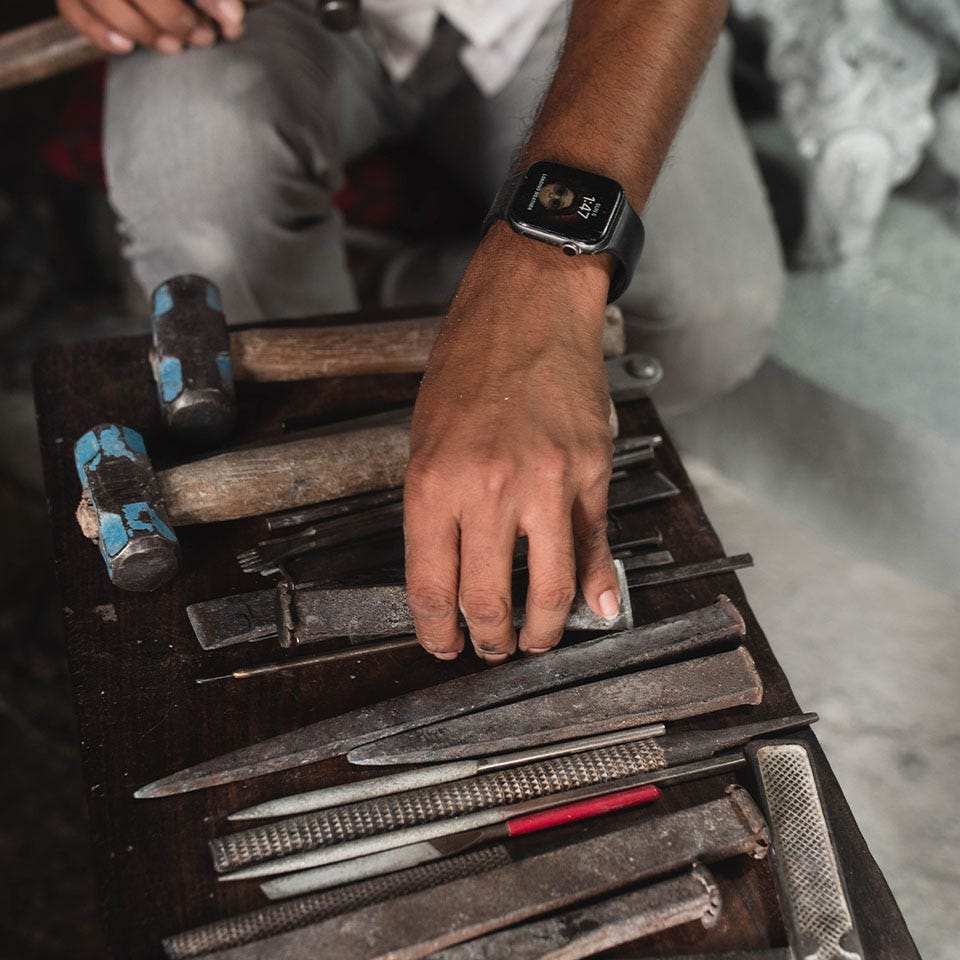
Both traditions are grounded in patience, discipline, and purpose. Whether chiseling stone in India or shaping porcelain in Spain, the process is never rushed. It is meditative. Every detail, every gesture is treated with care and feeling. Hands are guided not only by skill, but by devotion to the form and what it represents.
There is also storytelling. In Indian sculpture, we narrate the divine, the mythological, the symbolic. Lladró does the same. Their creations capture emotion, spirituality, and timeless beauty. There is a quiet spirituality in both, even if expressed differently.
We do not create objects. We create presence. That is what I saw in their work, and I believe they saw it in mine. This collaboration reminded me that while the tools and materials may differ, the soul of true craftsmanship is the same. Rooted in tradition, elevated by passion, and meant to inspire.

